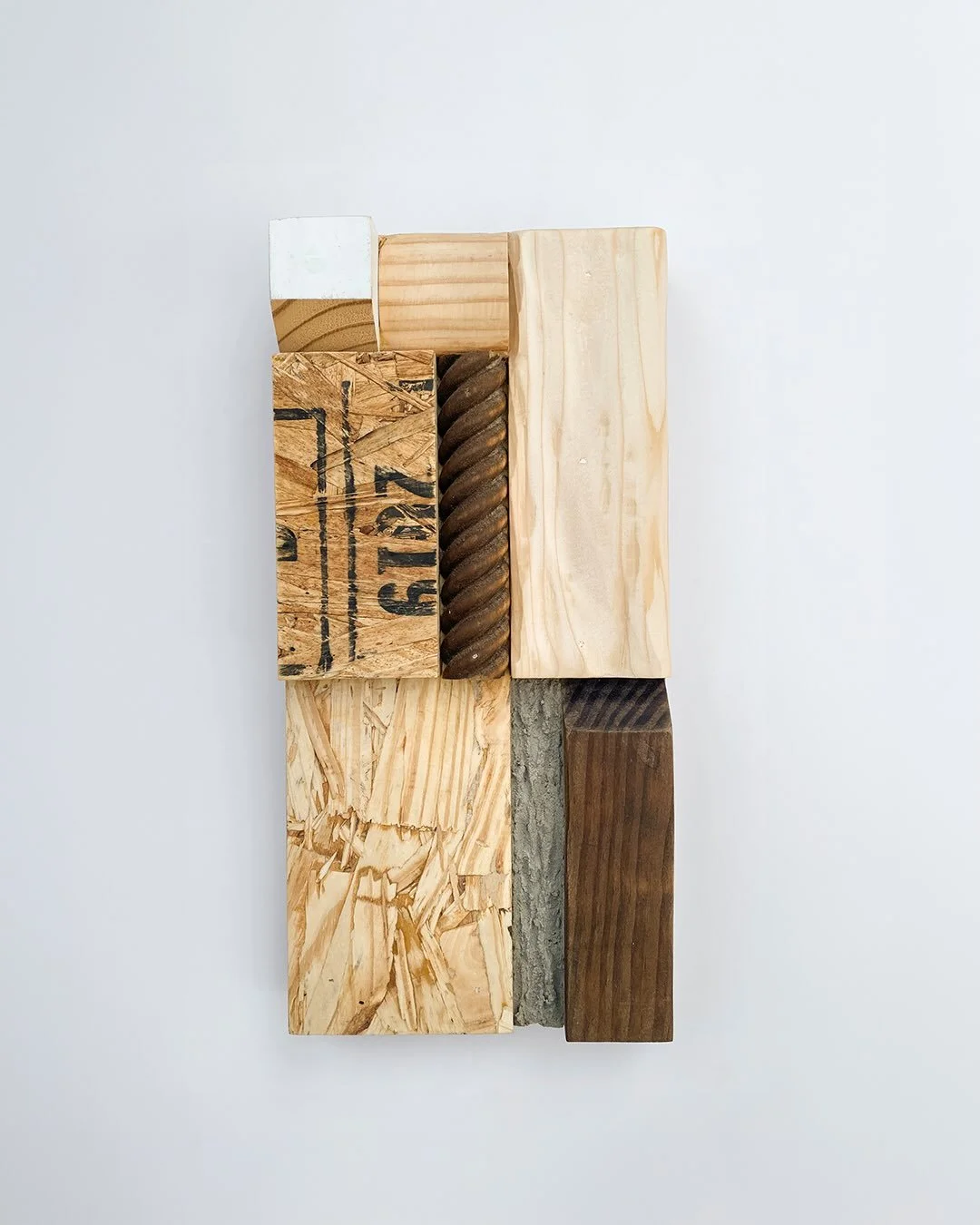
Material Memory
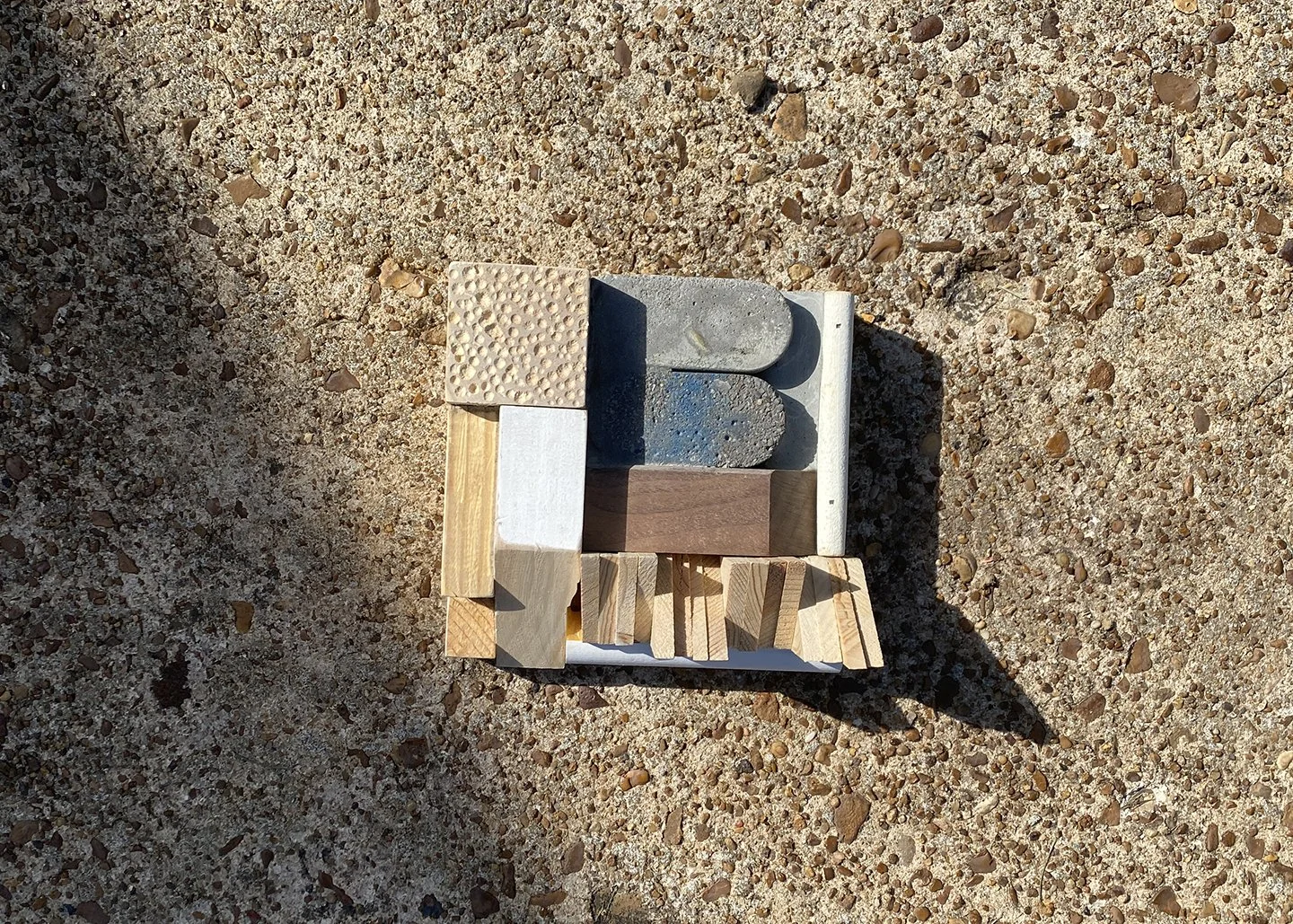
A wood, concrete assemblage yet to be named.
I started this piece last year, then let it sit for a while. It stayed in the studio and then in storage, unfinished, waiting for me to understand what it needed. Recently, I returned to it with fresh eyes and was able to bring the composition to a place that feels resolved.
The piece brings together wood, textured plywood, and small areas of wood glue and concrete used to fill voids. I enjoy working this way because the materials carry their own history and resistance. Some pieces are clean and geometric. Others are rough, chipped, or irregular. The final composition sits somewhere between a collage, a wall relief, and a small architectural model.
Some works need time. Not every unfinished object is abandoned. Some are just waiting for the right moment to become clear.
Low-Pressure Assemblage
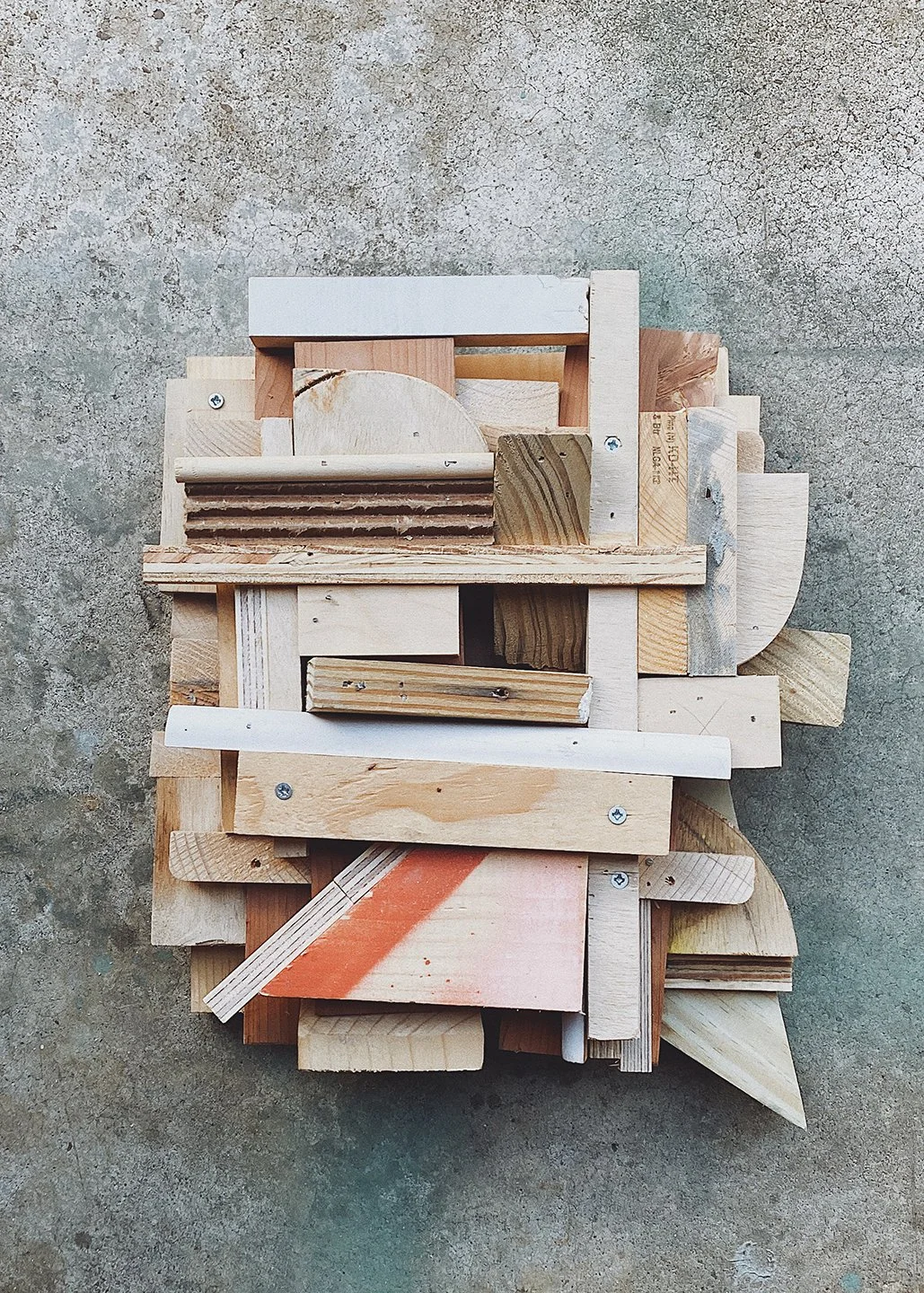
Built from scraps, offcuts, fasteners. It all adds up.
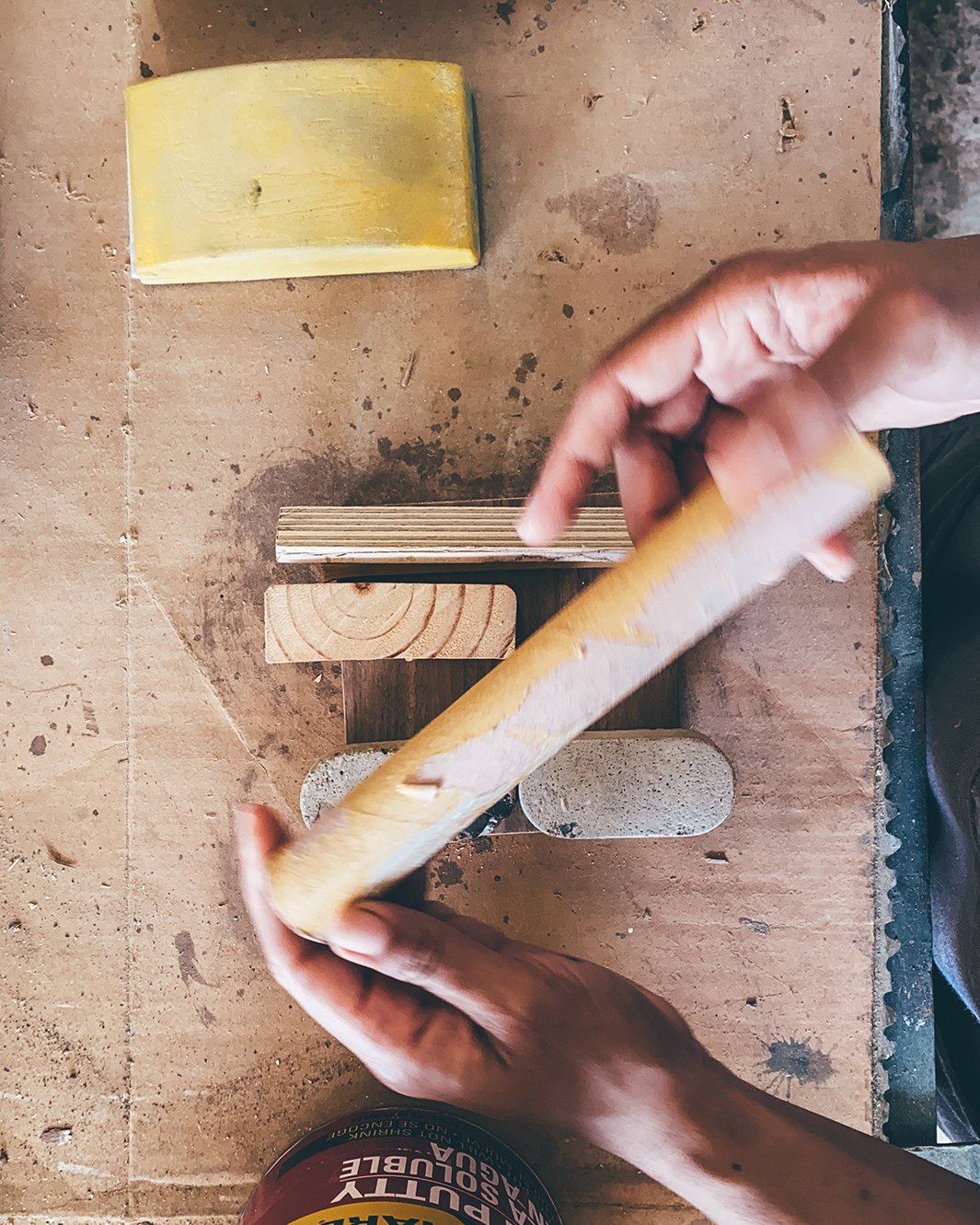
This piece started as a brain dump project: a way to use scrap wood, try a few tools, and make something without the pressure of a proposal, deadline, or final outcome. I have been adding offcuts, plywood, thin strips, rounded forms, and small painted fragments as I go, paying attention to how the pieces stack, overlap, and interrupt each other.
Right now, the work is mostly about learning by doing. I have been practicing with a brad nailer and testing different fasteners. I am also thinking about adding veneer and making a French cleat for the back so the piece can hang cleanly on the wall.
It is low-profile and strictly for me, but it still connects to my larger interests in geometry, architecture, material, and how things hold together. That is probably the best part. Making a project without pressure, but not without purpose.
Life's a Beech
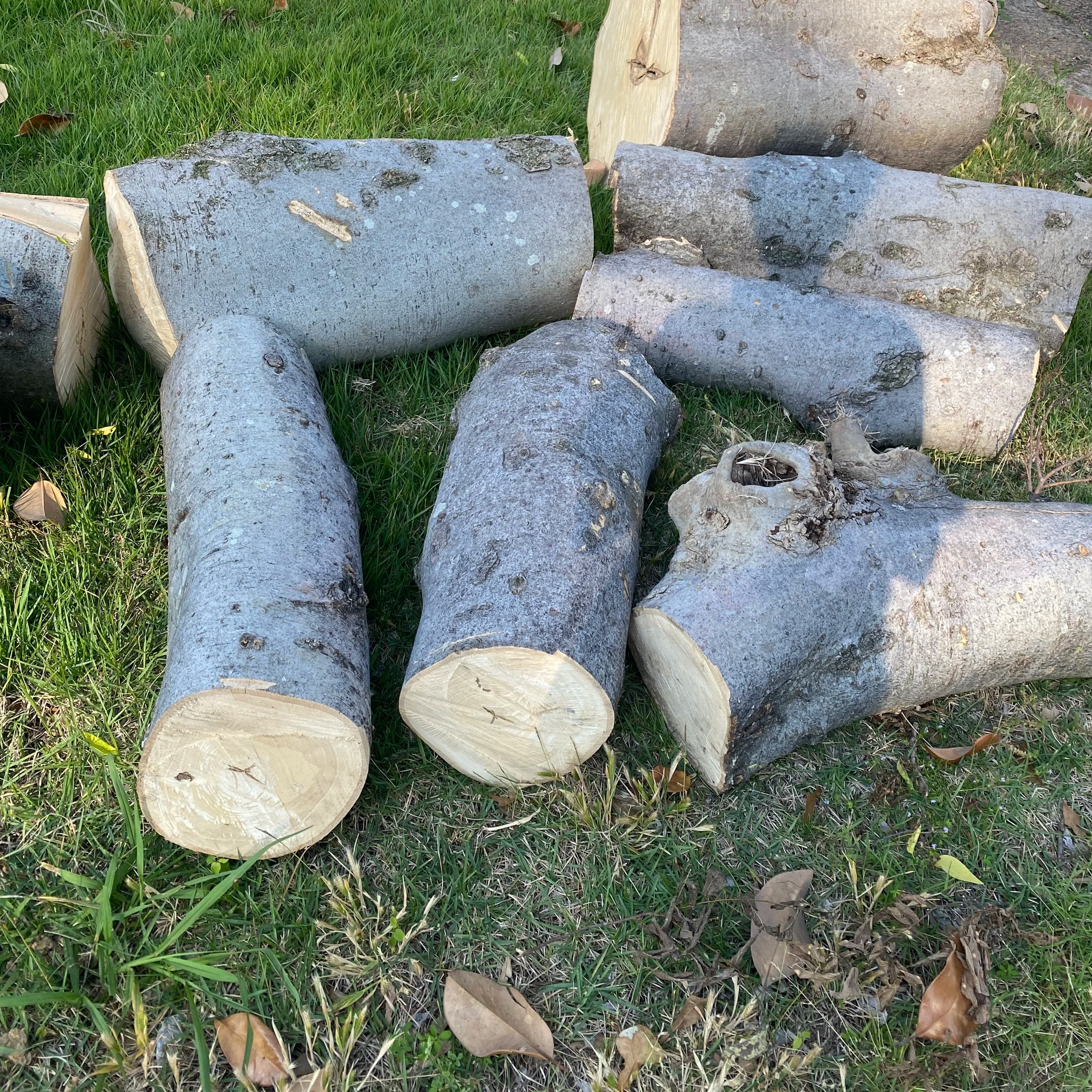
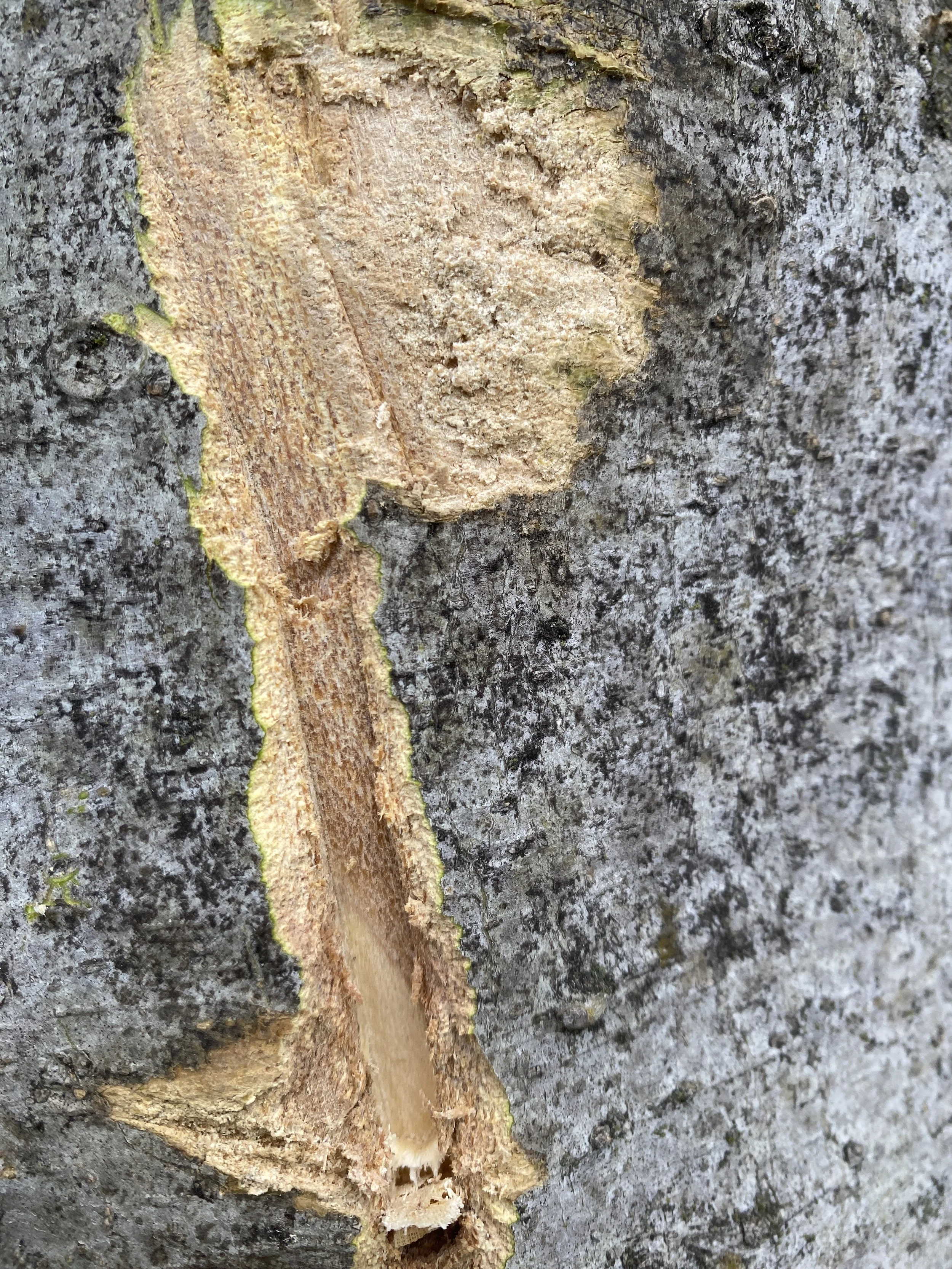
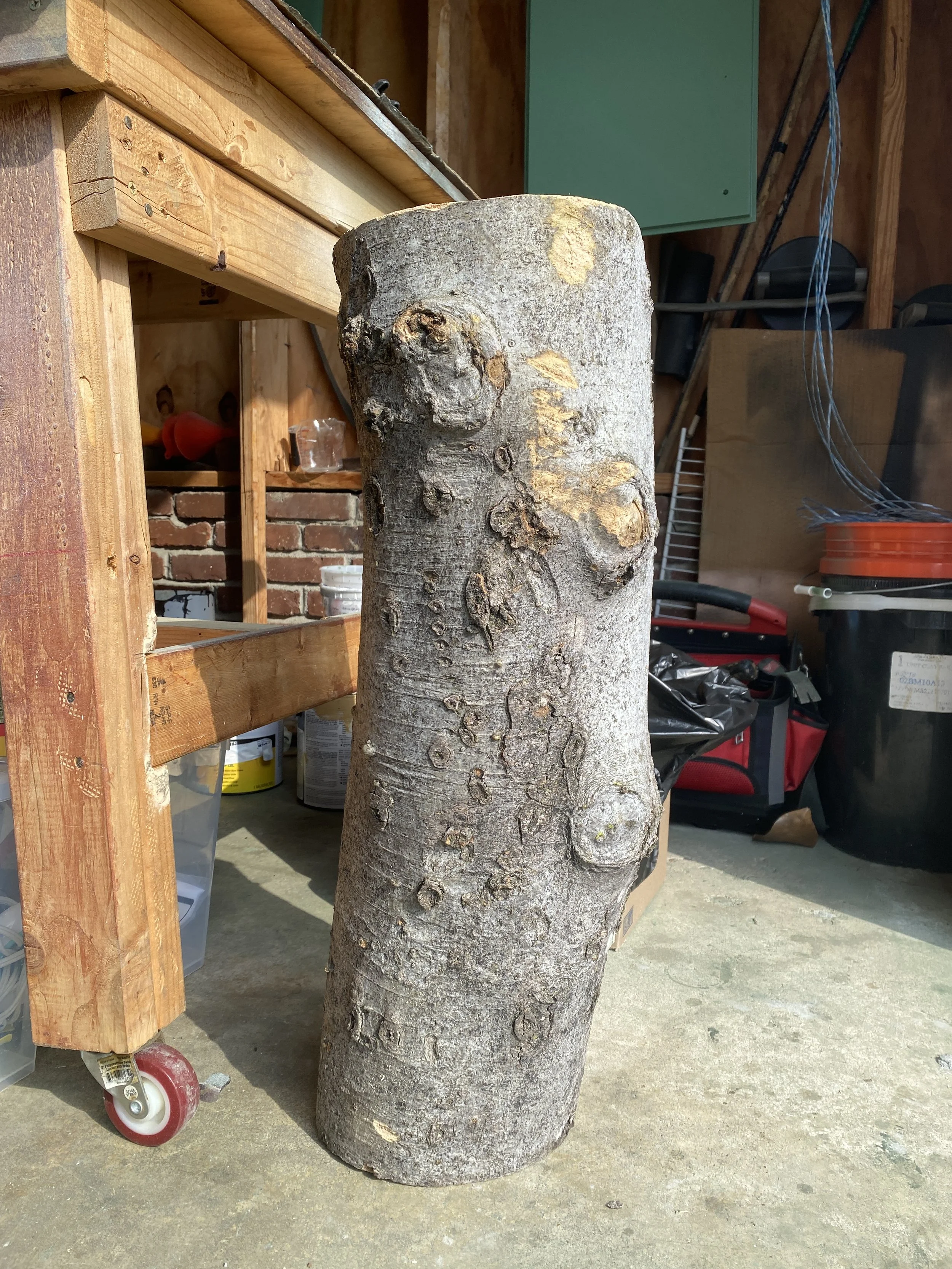
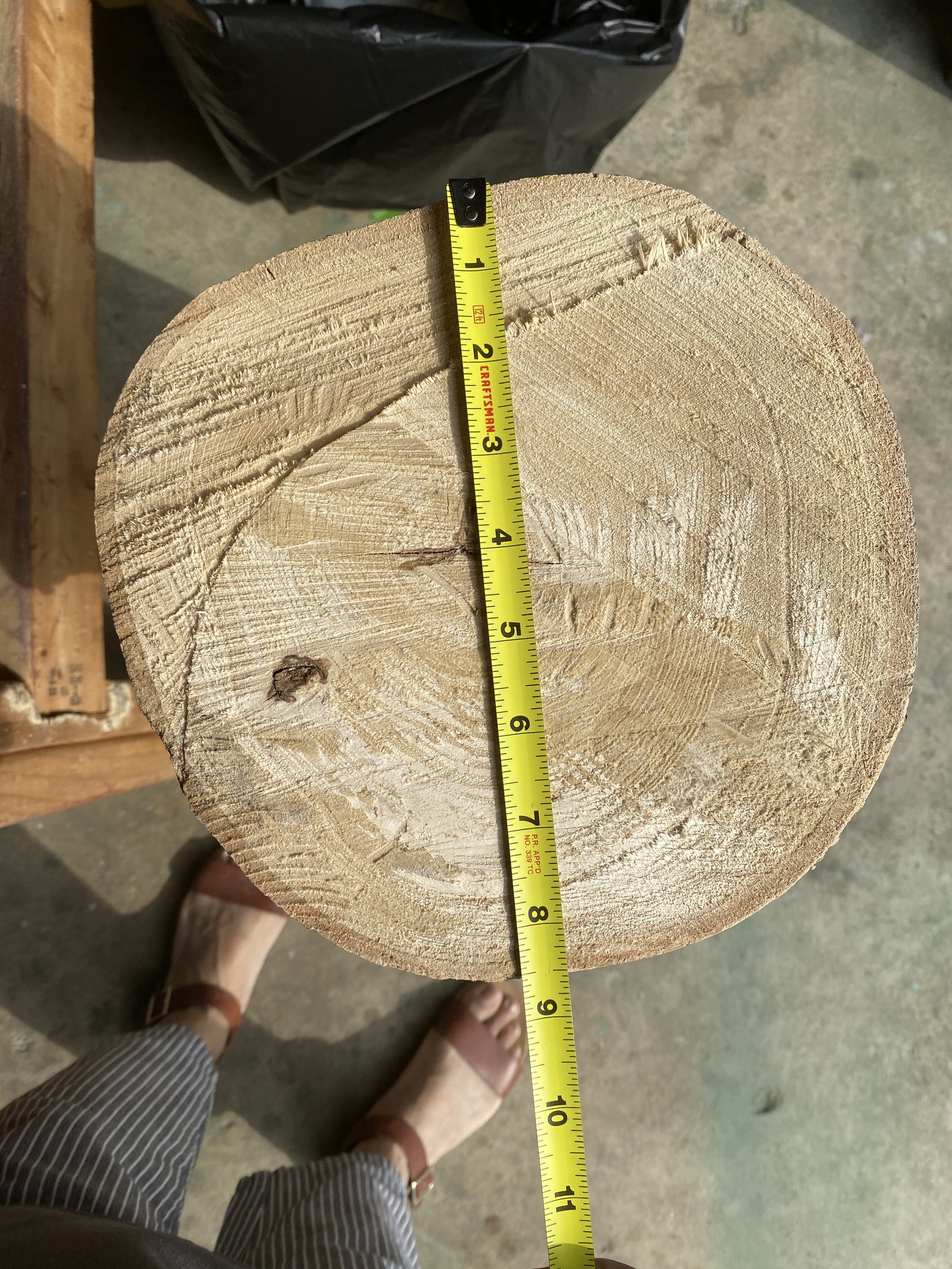
I found this log and brought it into the garage as the starting point for a new sculpture experiment. It’s about 8.5 inches in diameter and 26.5 inches tall, with a solid presence that made it feel worth saving. A friend suggested it may be Beech, and the smooth gray bark makes that possible, though I still need to confirm it. Maybe I need to find some leaves and determine the species that way?
I’ve started chipping away at the bark with chisels, slowly revealing the wood underneath. I don’t plan to remove all of it. I like the contrast between the rough outer surface and the exposed wood, especially around the knots.
For now, I’m letting the material guide the piece. I’ll keep testing what to remove, what to leave, and how this found log can become a sculpture.
OK Blog
Notes on art, design, process, and public work.
Featured Posts